
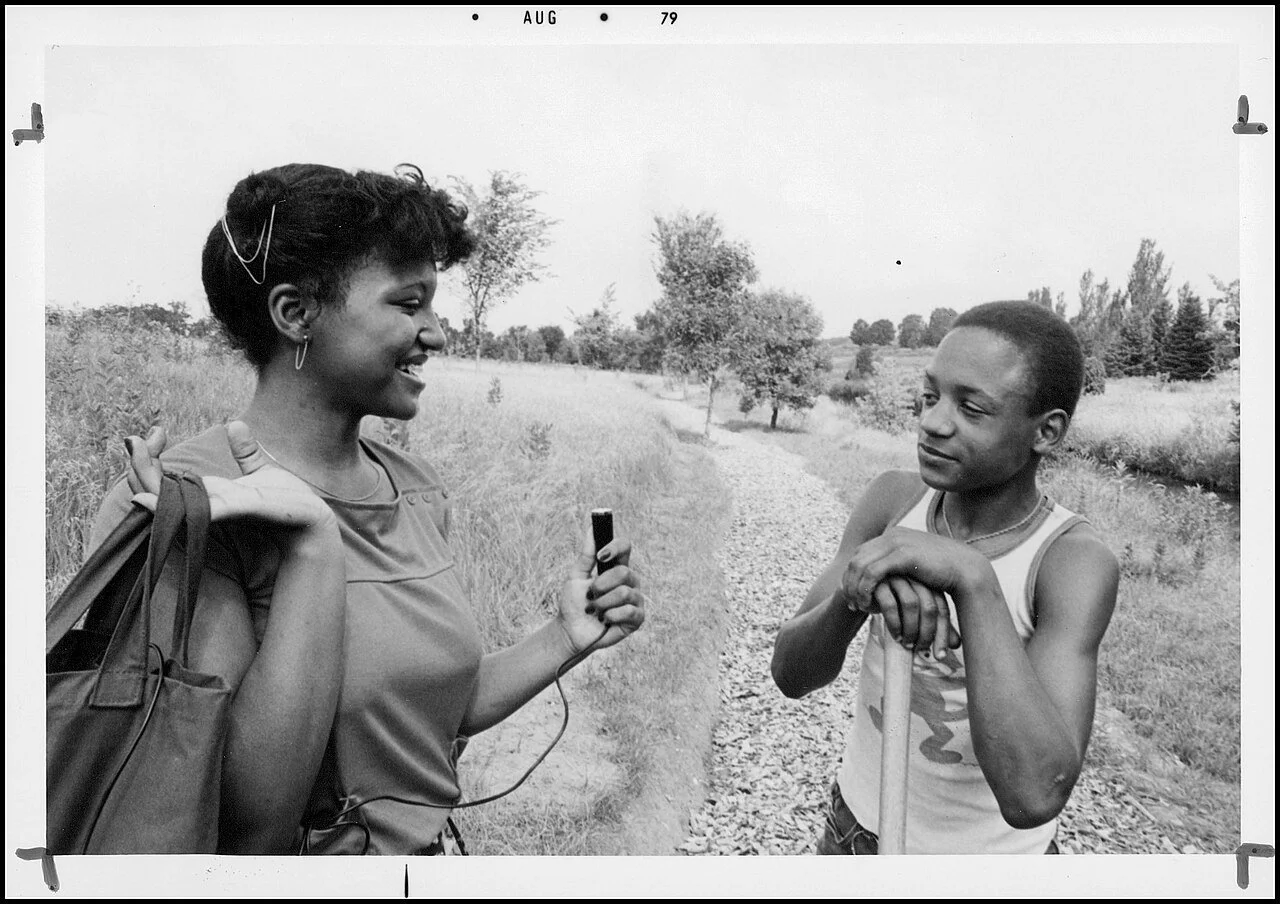
The Condition
The synthetic age is here. We are living through a moment when the line between authentic and manufactured memory is blurring. Voices, stories, and the materials of a life matter in ways they have not before. This is our history. And it becomes more vulnerable, and less human, as the artificial record grows around it.
The Form
A Sondage-certified practitioner sits remotely with a modern elder for several months. The conversations run deep. They think together. They reflect. They look collectively at the materials of a life or share their thoughts orally and on the record. In a Sondage Season, what the elder learns is even more important than what gets preserved.
Life in the Second Half
Sondage openly challenges the narrative of aging as decline. Cognitive science has shown it. Elder activism has demanded it. Later life is a vibrant developmental phase, marked by a deep interest in integration and meaning-making. A Season with Sondage is not a culmination. It is learning phase. Elders seek Sondage because we take that learning seriously and build practices around it.
The first task [of life] is to build a strong "container" or identity; the second is to find the contents that the container was meant to hold.
Richard Rohr, Falling Upward, 2011
The Community
The certified professionals who conduct Sondage's work are notable experts. The scholars hold terminal degrees and bring lifetimes of teaching, fieldwork, or research. The heritage curators bring advanced study and years of work with the materials of other people's lives. The audio professionals carry thousands of hours in the field and the studio. They certify into the Guild, conduct under the Sondage Standard, and bring their own practices with them.
Each share a conviction that this work has to keep being done by human hands, and they are building the community in which it can.
Papers. Records. These we must have. Without documents; no history. Without history; no memory. Without memory; no greatness. Without greatness; no development among women.
Mary Ritter Beard, World Center for Women's Archives, 1935
[The audio recorder] can be used to capture the thoughts of the non-celebrated... these "statistics" become persons, each one unique. I am constantly astonished.
Studs Terkel, Working, 1974
This page is human-authored.
A Human Project for a Human Past
Sondage is where Later-Life Learners, credentialed scholars, audio professionals, heritage curators, and family-level archivists come together to examine one’s life and leave behind a record built to last.
Our premise is simple. Humans Make History
Documenting the past is fundamentally human. Making history requires us to talk to each other, to listen with intent, and make decisions about legacy together. Family, chosen family, and a Sondage certified expert bring support, structure, and accountability to this important work.
At a moment when human work is being automated across the economy, Sondage is staked to the proposition that this work can be done by no one else.
The Lineage
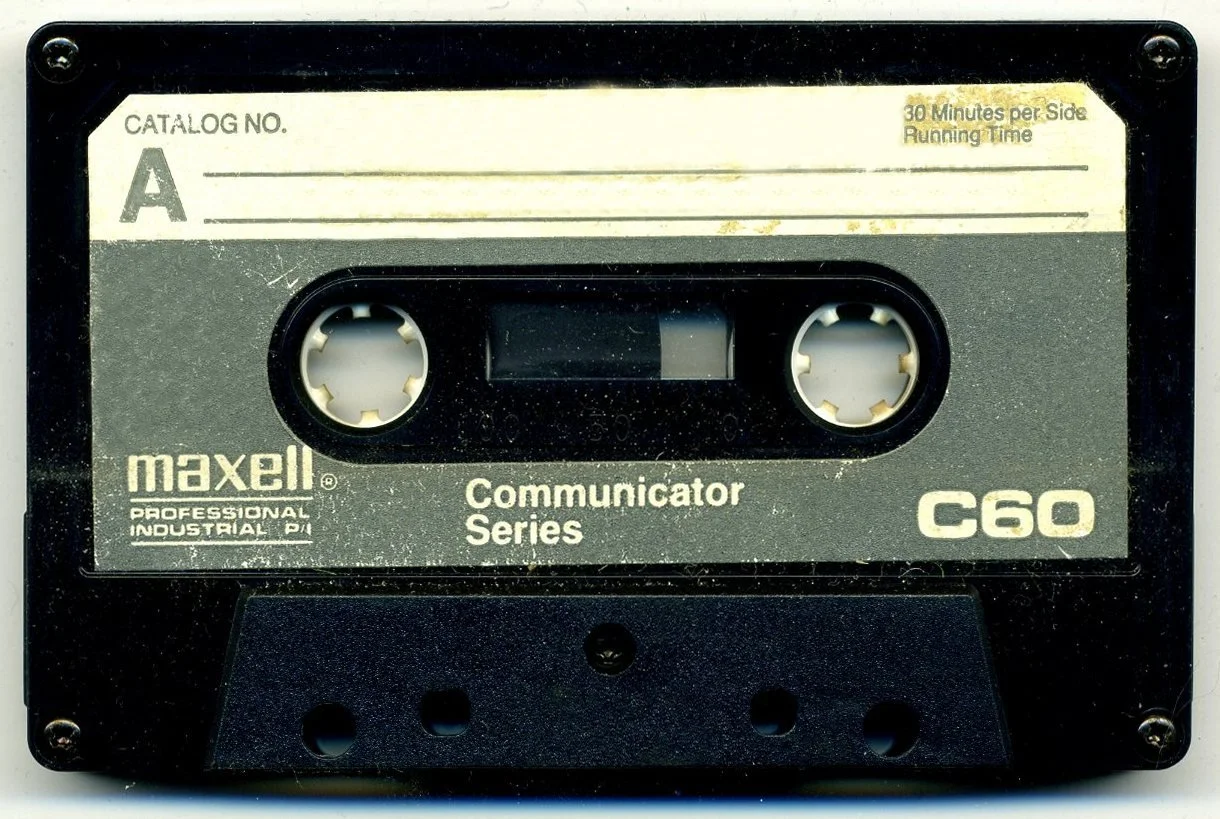
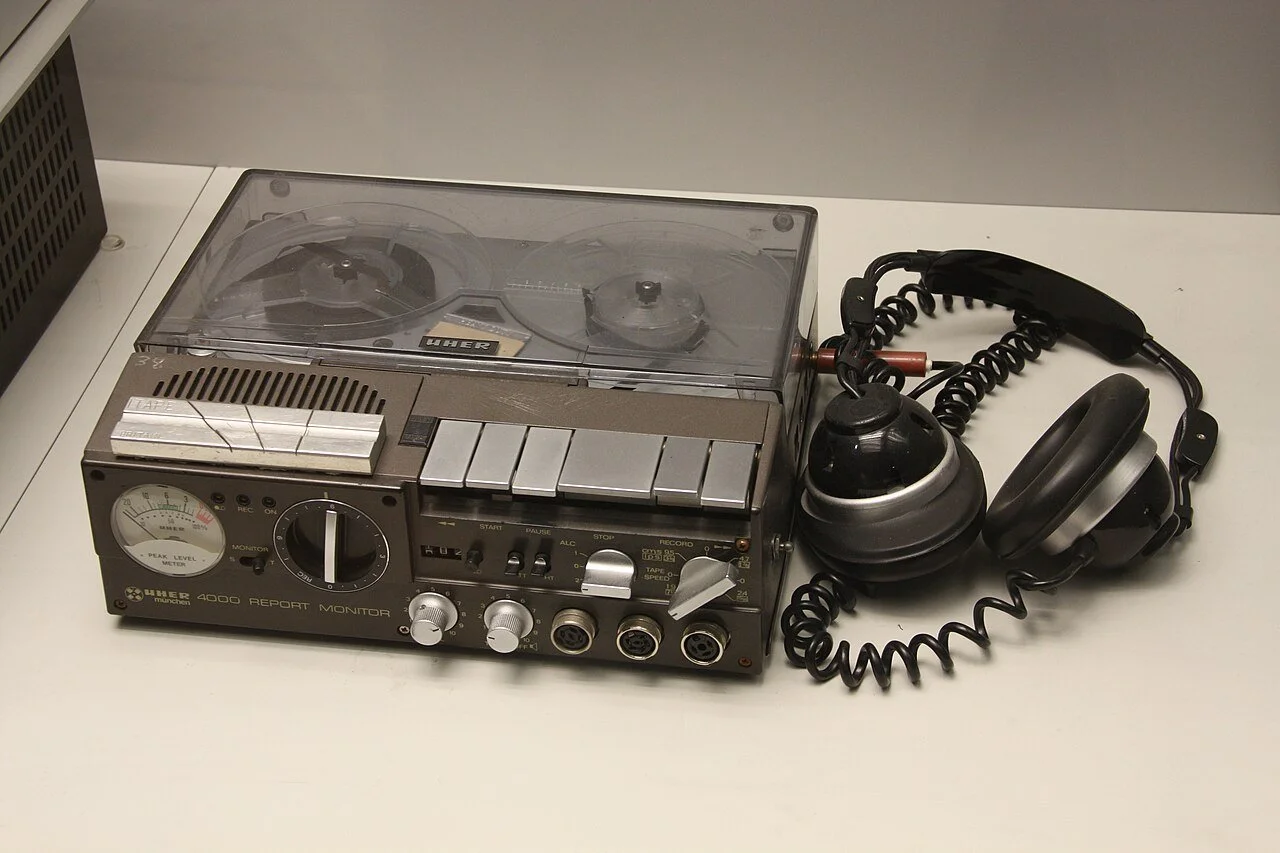
Sondage stands between two storied practices. One has long preserved the documents and materials of an ordinary life. The other has, since the advent of audio recording technology, preserved the life that is spoken.
We build on the work of the family collector that gathered, sorted, and stashed the materials of family life before any institution acknowledged its value. We are indebted to those who used the first field recorders to preserve the remarkable stories of ordinary lives. These are our roots. The Appalachian Shoebox Archivists, like the founder's mother and grandmother, who accessioned church bulletins, postcards, draft notices, birth certificates, and carefully repaired photographs. The fieldworkers from the Federal Writer's Project who treated a porch conversation as a document, and a person's own thinking and phrasing as the point.
This is not new work. But it faces a new challenge.