
HISTORY KEEPING IN A SYNTHETIC AGE
Preserving Your Human Story After AI
Spring 2027
Osher Lifelong Learning Institute
Online
Course Description
The brain in later life develops to prioritize, integrate, and crystallize decades of lived experience, propelling us to document and share our history with future generations. This impulse to reflect, record, and keep our story is universal, despite a contemporary culture that discounts the inherent power of ordinary life.
This course explains why we are drawn to later-life inquiry and documentation, how oral history methods bring integrity to memory, and why AI lacks the embodied experience necessary to make history for us. We examine the limitations of commercial AI tools that collect and re-tell our stories and introduce practical, hands-on, human approaches to remembering, forgetting, recording, and finding significance in an era of data overload.
“History lives in the body. No machine can make it for you. History after AI still relies on the generosity of embodied storytellers, real people who stand accountable for what they pass to future generations.”
More information
To bring HISTORY KEEPING to your institution, write to inquiry@sondagestandard.com.
About the instructor
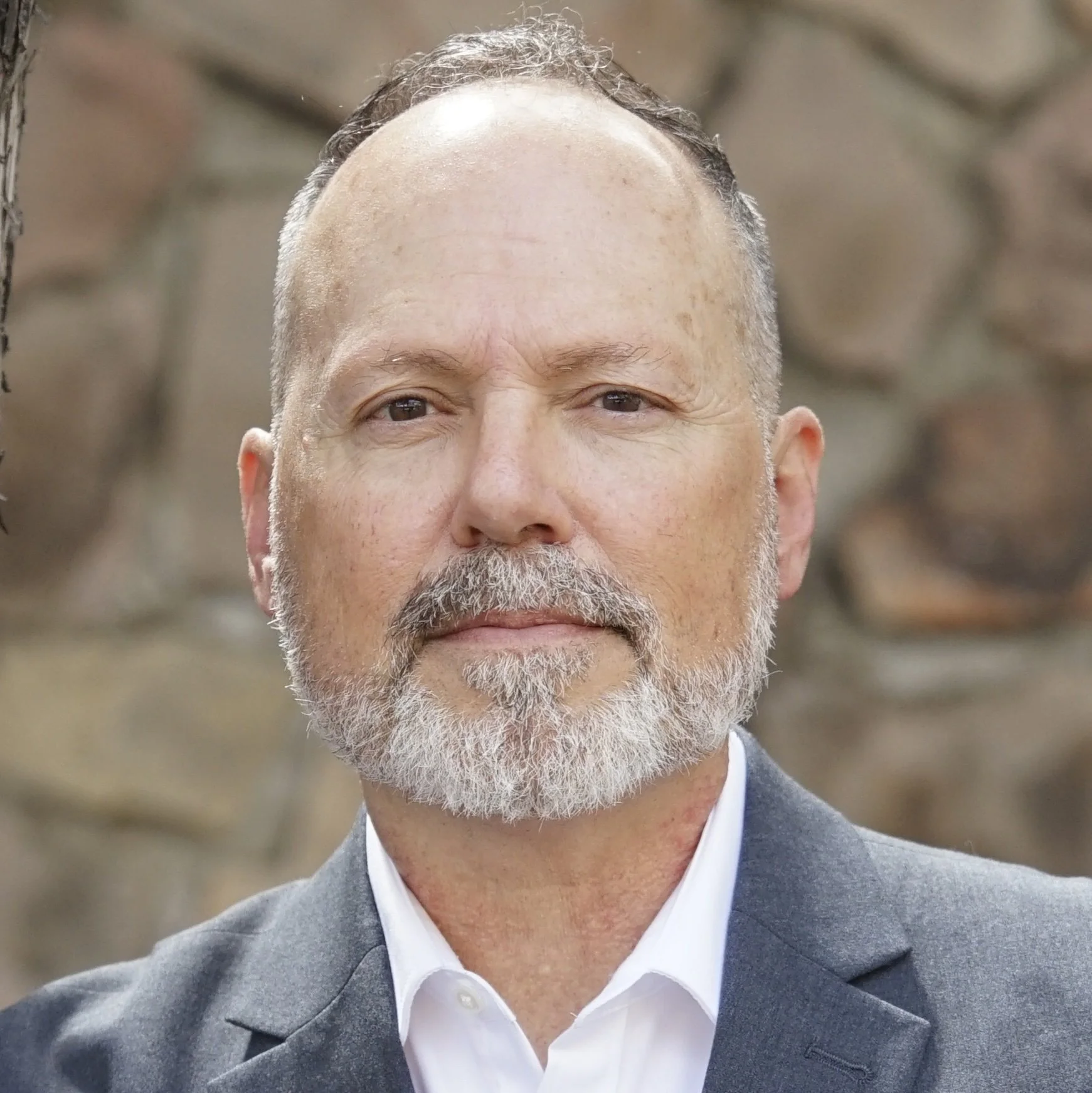
Stephen Mucher, PhD, is a social historian and the former Director of the Osher Lifelong Learning Institute at UCLA, with earlier faculty and administrative appointments at Bard College and UC Berkeley. He holds a doctorate from the University of Michigan, where his research explored the development of universal public education in the nineteenth-century United States. He is currently a visiting research fellow at Cornell Tech’s Digital Life Initiative and the founder of Sondage, a governance standard for later-life historical inquiry and preservation.